Category: Paper 1 Analysis

A Brush with Celebrity

When preparing for Paper 1, you are encouraged to explore as many different text types as possible; nevertheless, it’s impossible to predict what might come up in your exam. The Lang and Lit subject guide states explicitly that you are not meant to try to memorise features of every text type. Instead you should transfer your learning from one part of the course to another where you can…

Self Help Guide

The ability to be a critical and independent thinker is highly prized by the IBDP. Attributes such as ‘inquirer,’ ‘thinker’ and ‘risk-taker’ are boiled in to the IB Learner Profile, providing clues as to how to approach your day-to-day learning. The following response demonstrates how taking a critical position on a text can result in strong analysis and evaluation…

Tasmanian Caves

Travel writing in different forms is a relatively popular text type that you might encounter when you sit your Paper 1 exam. Travel writing is very flexible in form; it may be autobiographical, descriptive, literary or, like today’s text, persuasive. Travel guidebooks and brochures seek to arouse a reader’s curiosity, giving them a tantalising glimpse of the experiences and adventures that await in a particular destination…

Hot or Not?

In many ways, the Language and Literature course relates more closely to Theory of Knowledge than any other subject. This text has a definite ToK feel to it. While the topic of the text is Climate Change, careful reading reveals the author is interested in the way some people jump to conclusions based on their own perceptions and have a habit of denying other, more compelling, evidence…

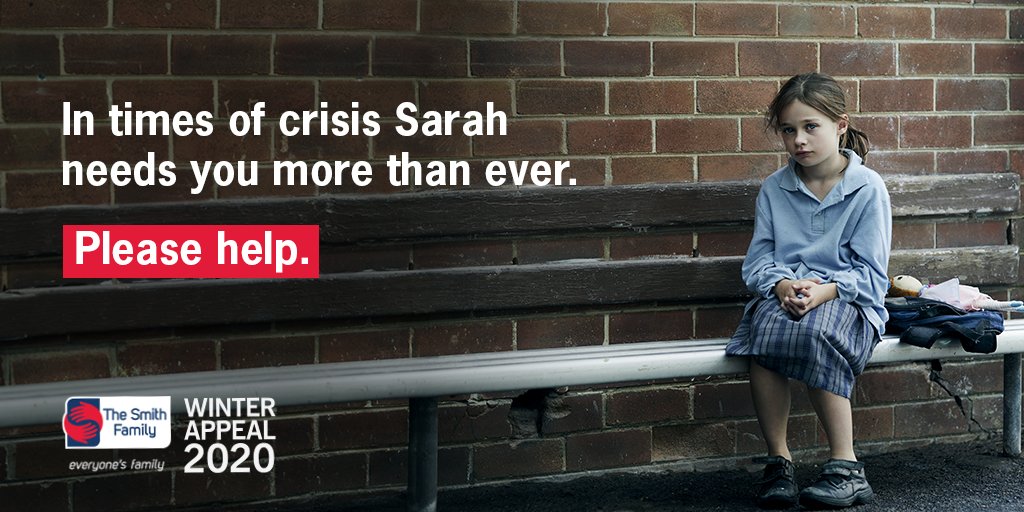
The Smith Family Appeal

Charity appeals are a sub-genre of advertising and, as such, you can easily transfer your learning about advertising techniques – especially persuasive techniques – onto appeals. The topic of a charity appeal could be anything from homelessness, to famine, to refugees from war, animal adoption, and more…

Chicken Tikka Masala

Beginning your unseen analysis with observations about context, purpose and audience can set you up to make some thoughtful points and evaluations later in your response. Sometimes, this information needs to be inferred, but in many papers you can find it easily: look at the heading, the byline, and quickly scan the margins of the text for extra information provided to you by those who know it might be important…

A Blow Against Stupidity

Every Paper 1 text comes with a guiding question to help focus your planning and encourage you to write a worthwhile analysis. However, it is not compulsory to use the guiding question. This response goes one better – you can challenge the guiding question should your reading of the text lead you to a different understanding…

On Your Bike

Here is a perfect example of a typical Paper 1 text. Published on the internet, and falling loosely into the category of Travel Writing, it has some easily identifiable formal features, such as an image and tabs linking the reader to wider information. The perspective is easy to understand as well; the piece relates a personal journey and is even subtitled ‘A Personal Account.’ But most interesting is the use of language…

Snow and Ice

This text is a little unusual as, even though it’s purportedly a news report, it actually warns people about a future event rather than recount something that happened in the recent past. Nevertheless, anyone familiar with a weather report shouldn’t be too thrown by this aspect of the extract…

Behind the Scenes

Gender stereotypes are a popular component of many Lang and Lit courses and is an issue that sometimes surfaces in Paper 1 unseen texts as well. This CNN article contains many of the stereotypes about women that you may have encountered in your classroom study: idealised appearance; sexualisation; trivialisation; the male gaze…