Category: News, Information, and Public Opinion

Behind the Lens (Photojournalism)

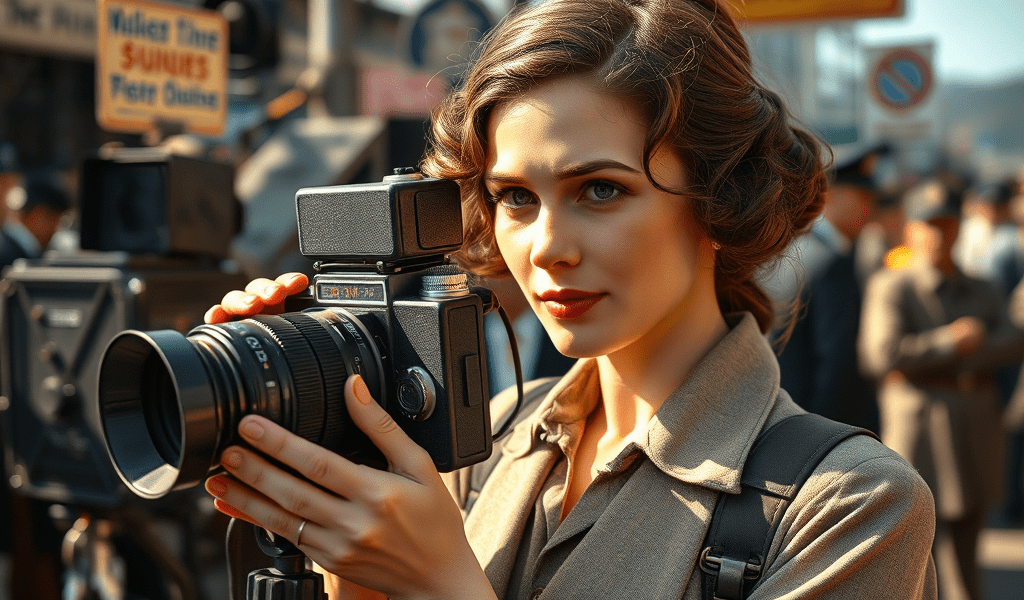
Photojournalism is defined as the practice of using photographic images to tell a story. While traditional journalists rely on written language, photojournalists wield a camera in place of a pen, often crafting narratives that can be understood with or without accompanying text. But, the power of photojournalism extends beyond its ability to spread information. Photographs can freeze moments in time, preserving history for generations. Distant crises can be brought home to viewers thousands of miles away, stimulating outrage, protest and change. Experiences that might remain unseen are illuminated by the photojournalist’s flashbulb. And the practice of photographing war, disaster, and live events comes with new ethical questions.


Curated Reality: Underlying Issues in News Reporting

Many people assume that the news offers a clear and accurate account of events as they happen. But if we pause and consider the practical realities of news production, this assumption quickly falls apart. News organizations operate under significant limits: television broadcasts are squeezed into 30- or 60-minute slots, newspapers have limited column space, and even 24-hour news channels and websites cannot cover everything. They must make choices of what to include, what to omit, and how to present things. As a result, the news does not present reality in its entirety, it offers a curated version of reality: reality slimline, reality-lite.

Hold the Front Page! How the News Gets Made

News doesn’t just happen – it’s made. The modern news cycle runs twenty-four seven, 365 days a year. Reporters and editors can’t simply wait for the next big event; they have airtime, feeds, and column inches to fill. At the same time, they can’t fabricate stories. This is where news values come in. Almost anything can become news if it meets certain criteria: relevance, rarity, human interest, conflict or controversy, and the potential for ongoing coverage.